
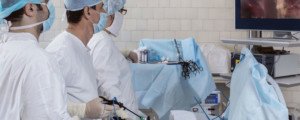
Laparoscopy is a procedure in which the surgeon can view all the organs located in the abdomen. It is based on specialised visualisation and manipulation systems introduced into the abdominal cavity through puncture incisions. It is a procedure that is currently saving many lives.
Types of laparoscopy
- Gynaecological pelvic laparoscopy: used when a patient presents with pain or an infection. 2. Diagnostic laparoscopy: used to determine the cause of abdominal pain or to provide additional information after an examination. 3. Abdominal laparoscopy: this procedure is used for appendectomy, cholecystectomy, hernias, and other conditions.
Surgical instruments for laparoscopy consist of
Optical system
- Cold light source: it operates at a specific wavelength and has a considerably long lifespan. Light is transmitted through optical fibres. - Optical fibre: made up of plastic or glass filaments that, through couplings, connect to the optic and to the light source. - TV monitor: provides a 3D view, uses a liquid crystal display, and offers resolution in both horizontal and vertical lines, giving a very broad view of the operating field. - Optic or laparoscope: an instrument consisting of tubes that provide a digitised image of the interior of the abdomen. It produces a more detailed image with reduced noise, while the video feed allows the surgeon to continuously monitor the patient’s internal condition.
Insufflator and CO2 source
This device has a tube that directs CO2 into the abdomen. It measures abdominal pressure, the total volume insufflated, and indicates the CO2 level remaining in the tank. Each speciality has different requirements when it comes to the instruments used — varying in diameter, length, and whether they are single-use or reusable.
Surgical instruments for laparoscopy
The surgical instruments for laparoscopy form a set of elements that the surgeon uses to access the abdomen and perform the required procedure. All instruments must be placed on a surface that does not obstruct the surgeon’s access to them.
- Trocars: an instrument that prevents air leaks, allows instruments to enter the abdominal cavity, and comes with different tip types. Sharp tips are used for cutting. Blunt tips are used for separating tissues. - Needle holder: this instrument helps prevent injuries during the procedure. It also performs a wide variety of functions, such as acting as a separate irrigation cannula, enabling simultaneous irrigation and aspiration.
Dissection forceps: the tips are particularly long and angled rather than straight, making it easier to manoeuvre around blood vessels during the procedure. The recommended handle type for these forceps is with or without a spring for opening.
Scissors: available in different sizes depending on the surgery to be performed. The surgeon must therefore select the scissors best suited to the procedure. Abdominal wall retractors: reduce complications that may arise during surgery. They also help prevent embolisms and the development of cancerous cells at the port sites. Irrigation and suction systems: prevent infections through thorough lavage and help avoid haemorrhage.
At Salvador Navarro we carry a full range of surgical instruments for laparoscopy and everything your practice needs — if you would like more information, please do not hesitate to contact us.